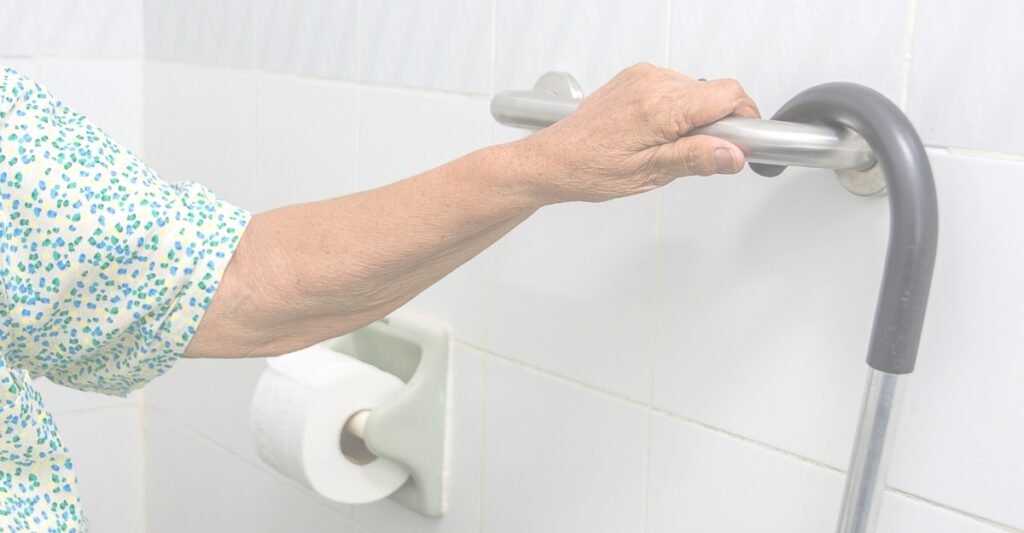
Where Should Grab Bars Be Placed in a Bathroom? (Best Locations for Safety)
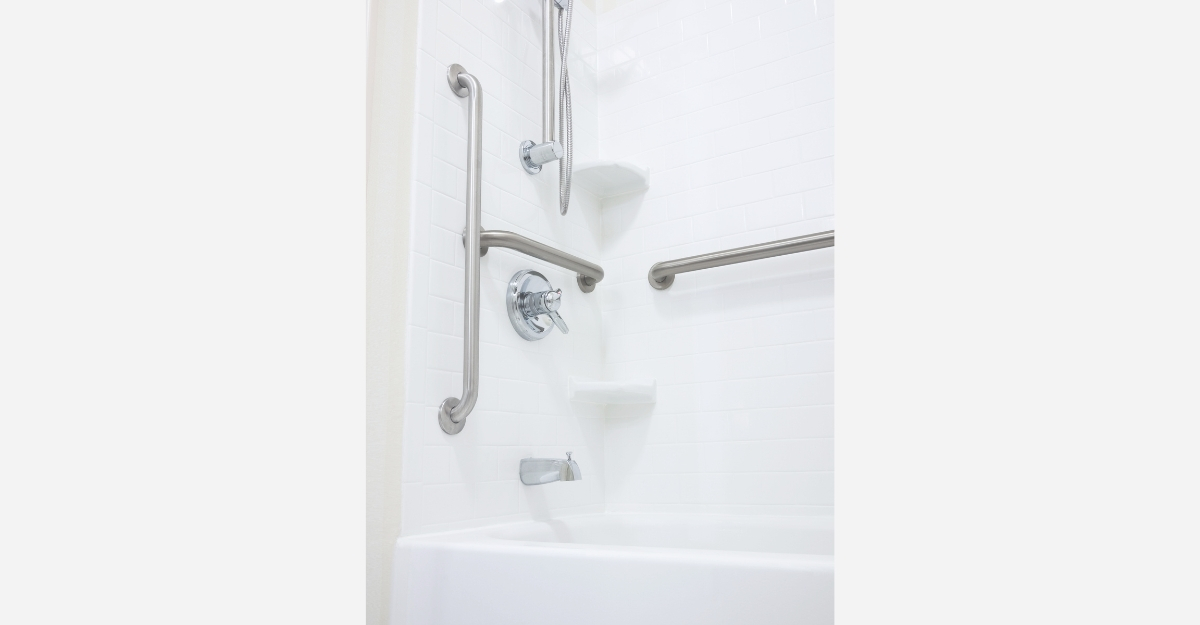
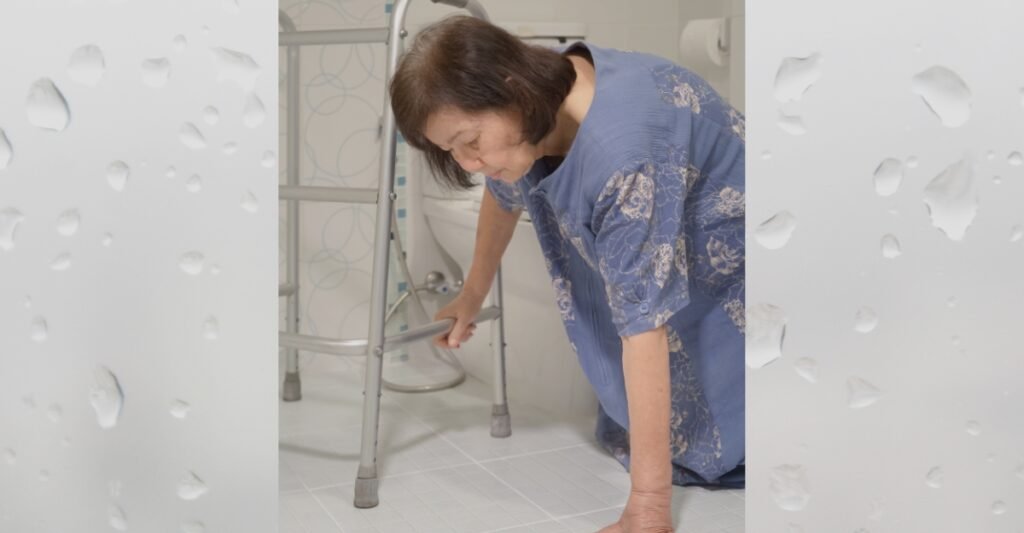
Grab bars should be placed in key areas of the bathroom where support is needed most—typically inside the shower or tub, next to the toilet, and along nearby walls for balance.
Proper placement can significantly reduce the risk of falls and make everyday movements safer and more comfortable for seniors.
Where Should Grab Bars Be Placed in a Bathroom?
Grab bars should be installed in three key areas:
- Inside the shower or tub (for stability while bathing)
- Next to the toilet (to assist with sitting and standing)
- Near entry points or walls (for balance and support)
Most grab bars are installed 33–36 inches from the floor, but placement should match the user’s height and mobility needs.
Most Important Grab Bar Locations
Inside the Shower or Tub
This is one of the highest-risk areas in the bathroom due to slippery surfaces.
Grab bars should be installed:
- Vertically near the entrance (for stepping in/out)
- Horizontally along the wall (for stability while standing or moving)
- Diagonally orientation is also an option, as it may provide high and low areas to hold
These provide support when entering, exiting, and standing in the shower.
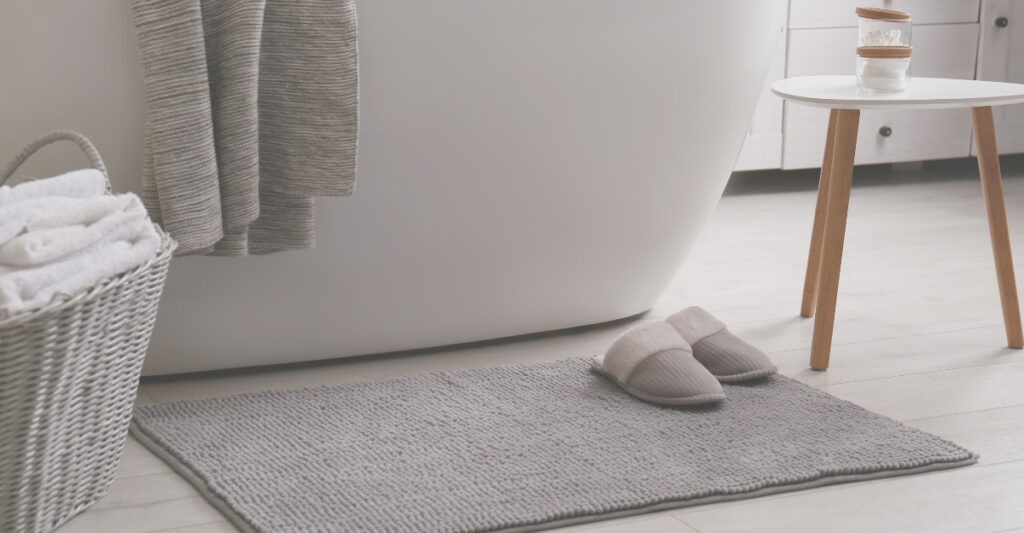
To further reduce slipping, consider using a non-slip bath mat inside the tub or shower.
👉 See the best non-slip bath mats for seniors
Next to the Toilet
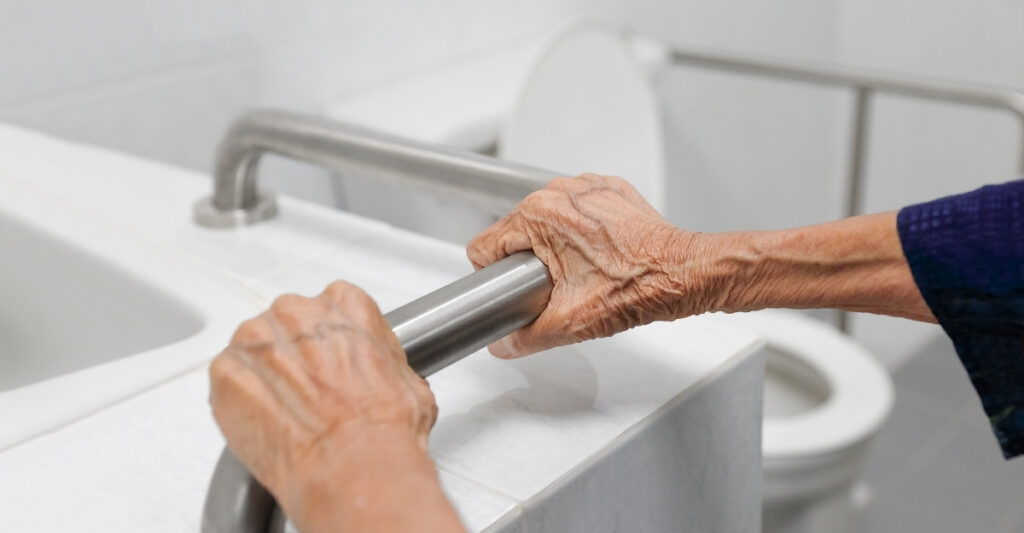
Grab bars near the toilet help with sitting down and standing up.
Placement options include:
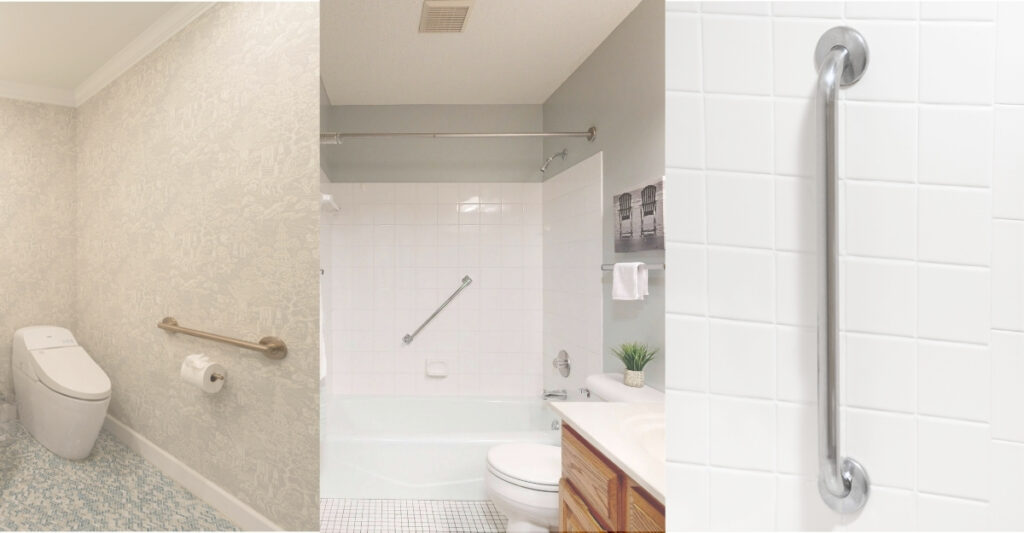
- One bar on the side wall
- A bar behind the toilet
- Both, if space allows
This is especially helpful for seniors with limited leg strength or balance issues.
If your toilet is close enough to a wall, or even sink vanity cabinet, grab bars can go a long way towards helping the senior lower or rise from the toilet.
Along Bathroom Walls
In some bathrooms, additional grab bars along walls can provide support when moving around.
This can be helpful for:
- Navigating tight spaces
- Maintaining balance
- Preventing falls when turning or reaching
- Getting dressed (something to hold on to when lifting a leg to put pants or skirts on)
This is particularly helpful if the bathroom has a stretch of wall with nothing to hold onto.
I had noticed that when my mother was living on her own, her towel bar was coming loose. I think she may have been using it to steady herself in the bathroom.
Recommended Height and Position
Grab bars are typically installed:
- 33–36 inches from the floor (standard guideline)
- At a height that feels natural for the user
- In showers or bathtub back walls, consider diagonal installation.
Horizontal bars should align with where the hand naturally reaches, while vertical bars should be easy to grab when stepping in or out.
If the senior uses a shower chair, diagonal installation on the back wall of the shower or bathtub can assist with transitioning between sitting and standing.
Grab Bar Placement: Horizontal vs. Vertical vs. Diagonal
Horizontal, vertical and diagonal grab bars serve different purposes.:
- Horizontal bars → provide steady support while standing or moving
- Vertical bars → help with balance when entering or exiting
- Diagonal bars → transitioning between sitting and standing when using a shower chair
Using a combination of these positions often provides the best overall safety.
Proper Installation Matters
Grab bars should be securely mounted into wall studs whenever possible.
Improper installation can make them unsafe to use.
Always follow the manufacturer’s installation instructions. Install into studs when possible. When stud installation isn’t possible, strong anchors recommended by the grab bar manufacturer should be used. Some, like Moen, sell special anchors to use with their grab bars for use in hollow walls.
Suction grab bars may be useful for temporary support, but they should not be relied on for full body weight.
👉 See the best grab bars for bathroom safety (top picks)
Should Grab Bars Be Installed Installed Into Studs?
For maximum safety, grab bars should be mounted into wall studs whenever possible.
This ensures they can support full body weight and remain secure over time.
If studs are not available, specialized anchors designed for grab bars may be used, but proper installation is critical.
Common Placement Mistakes to Avoid
- Installing bars too high or too low
- Placing them where they are hard to reach
- Relying only on suction bars
- Installing without proper support
Careful placement and secure installation are just as important as the grab bar itself.
Where Should Grab Bars NOT Be Placed?
Grab bars should not be installed:
- Too high or too low to reach comfortably
- On weak surfaces without proper support
- In locations that are hard to access quickly
Poor placement can reduce their effectiveness and even create additional risk.
Tips for Planning Grab Bar Placement
- Consider the user’s height and mobility
- Test reach before installing
- Focus on high-risk areas first
- Combine with other safety features (bath mats, shower chairs)
👉 Learn how to make a bathroom safer for seniors
Placing grab bars in the right locations can make a significant difference in bathroom safety.
Focus on high-risk areas like the shower and toilet, and install them at a height that provides natural, comfortable support.
Small adjustments like these can help reduce the risk of falls and make everyday routines safer and more manageable.
Frequently Asked Questions
How many grab bars should be in a bathroom?
Most bathrooms benefit from at least two to three grab bars placed in key areas like the shower and near the toilet. For bathrooms with long stretches of walls, installation in strategic areas can provide additional safety.
Where should grab bars be placed in a shower?
Typically near the entrance and along the wall for stability while standing.
Can grab bars be installed without drilling?
Suction grab bars can be used temporarily, but permanent installation is safer for long-term use.
What if I’m not handy and don’t know how to install the grab bar?
Proper installation is critical to ensure grab bars are securely attached. While this is a common DIY project, hiring a handyman or contractor is advisable if you are unsure. Finding studs can be particularly challenging in older homes, such as my own 100-year-old home with plaster walls, where studs are rarely evenly spaced; I often resort to test holes. Furthermore, installing grab bars over tile in a tub or shower adds an extra layer of complexity.