10 Bathroom Safety Products Every Senior Should Have to Prevent Falls
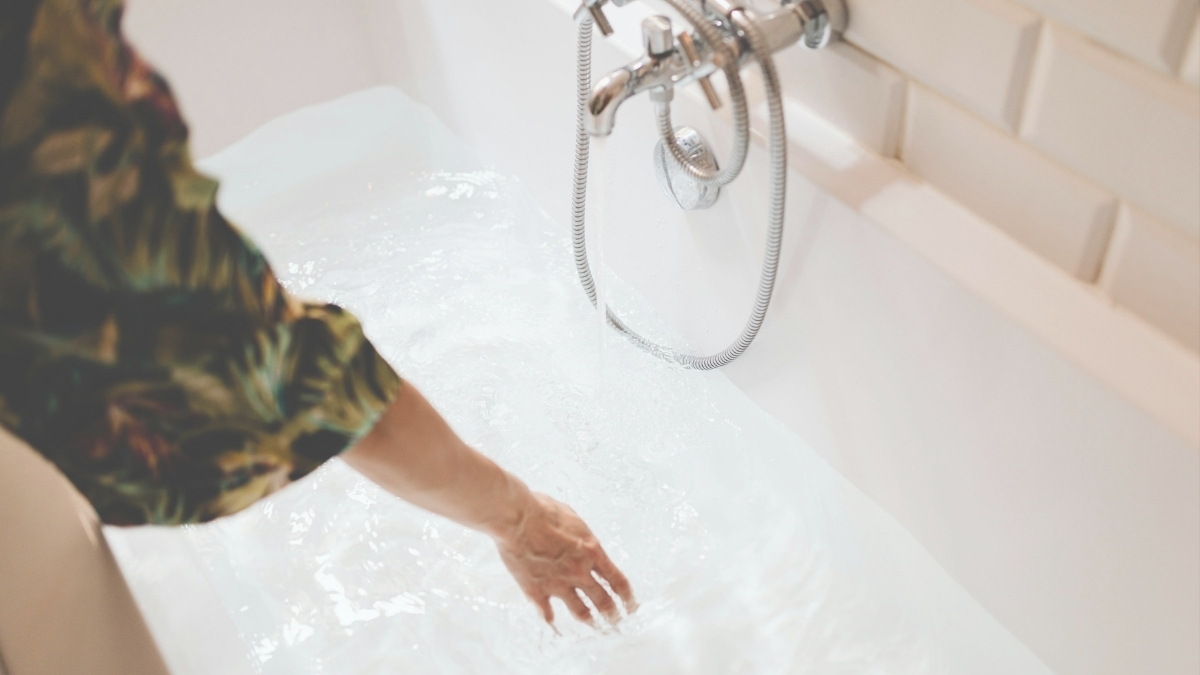
Aging in place allows seniors to maintain independence and comfort at home. However, bathrooms are one of the most dangerous areas of the home, especially when it comes to preventing falls for seniors aging in place.
After caring for an aging parent for several years, I learned that small safety improvements can make a significant difference in reducing risk and increasing confidence. When my mother’s dementia progressed to the point where she could no longer live safely on her own, she came to live with me. Her first shower in my tub left me thinking…well this is scary…I was nervous seeing her grab on to me getting into my tub. Maybe it was the new environment, but I realized that we should have made the bathroom in her own home safe, when she was “aging in place”.
In this guide, I’ll walk through simple and practical bathroom safety products that can help create a safer environment for seniors living at home. Products that I used in my own home when she was living with me.
Why Bathroom Safety Matters for Seniors
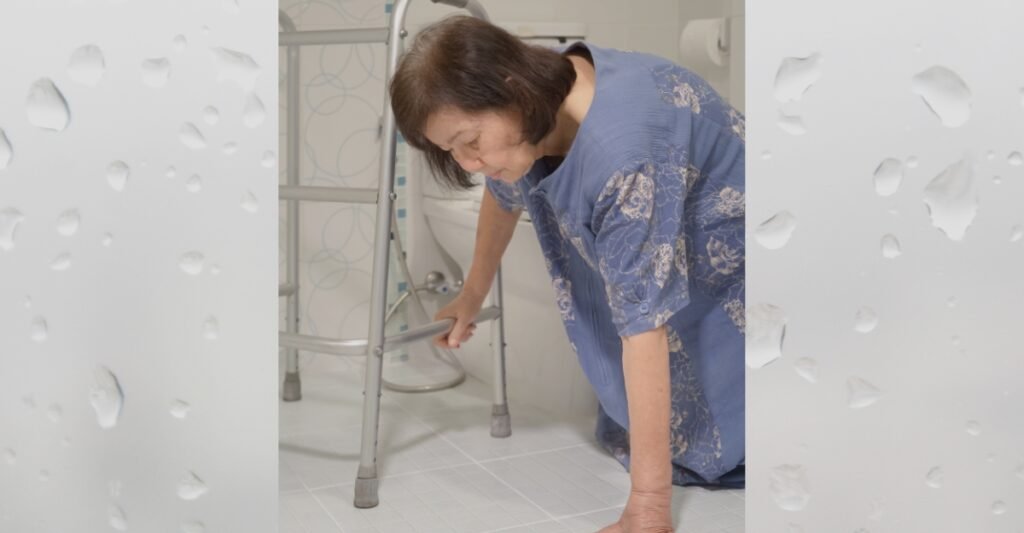
Bathrooms are one of the leading areas where falls occur in the home. Wet surfaces, limited support, and tight spaces can make everyday activities more risky for older adults.
Making a few simple changes can significantly reduce these risks and help seniors maintain independence.
Install Grab Bars
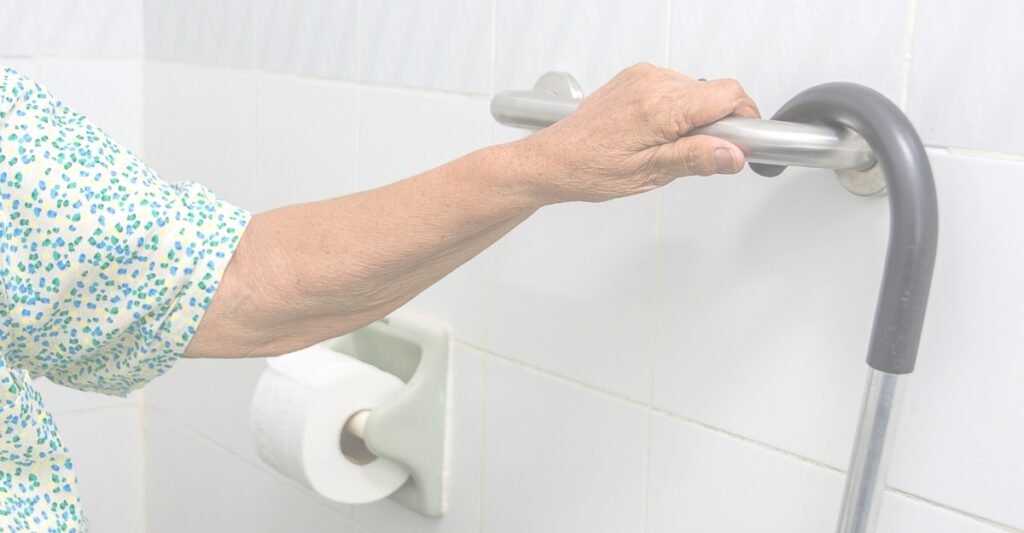
Bathrooms often lack stable surfaces to hold onto, especially near the shower or toilet.
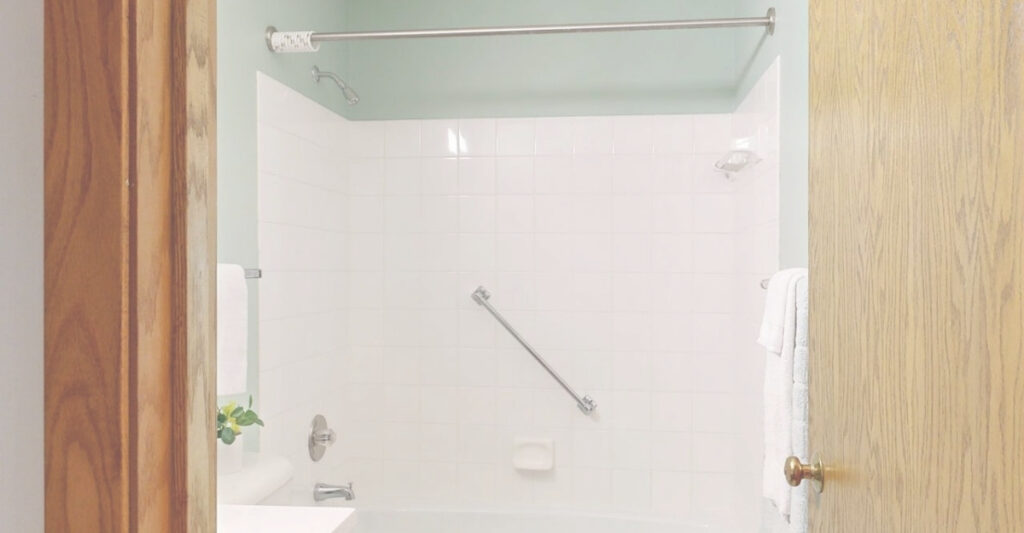
Installing grab bars provides extra support and helps prevent slips when standing, sitting, or stepping in and out of the tub. I quickly realized my mother grabbing on to me when stepping into the tub was a hazard for both of us. There are a variety of different types of grab bars, quick suction grab bars often work well (depending on the surface you are attaching them to), which is the option that I went with. Grab bars that are permanently affixed are ideal (but harder to install), you can find a variety of aesthetically pleasing options if you are concerned about them looking like hospital shower bars.
Use a Non-Slip Bath Mat
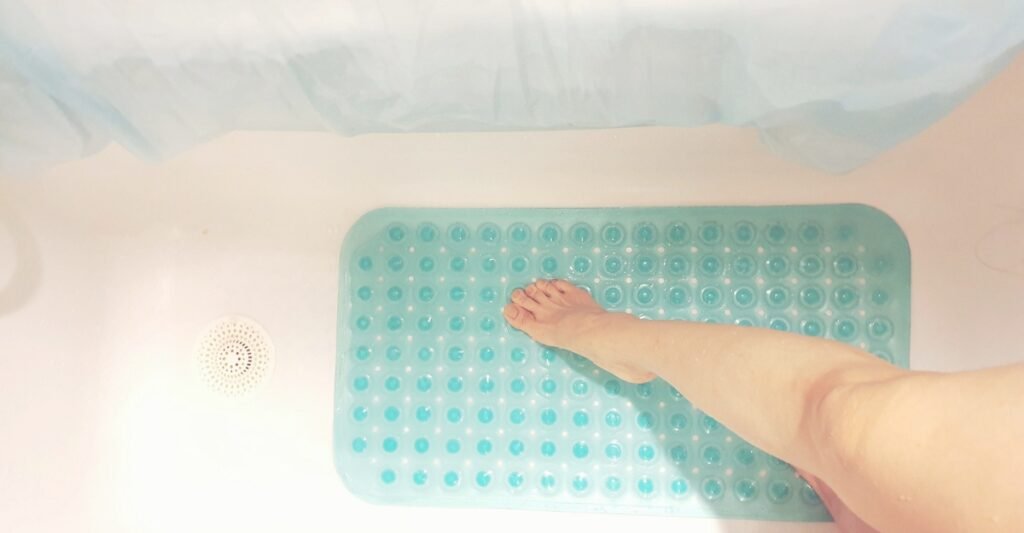
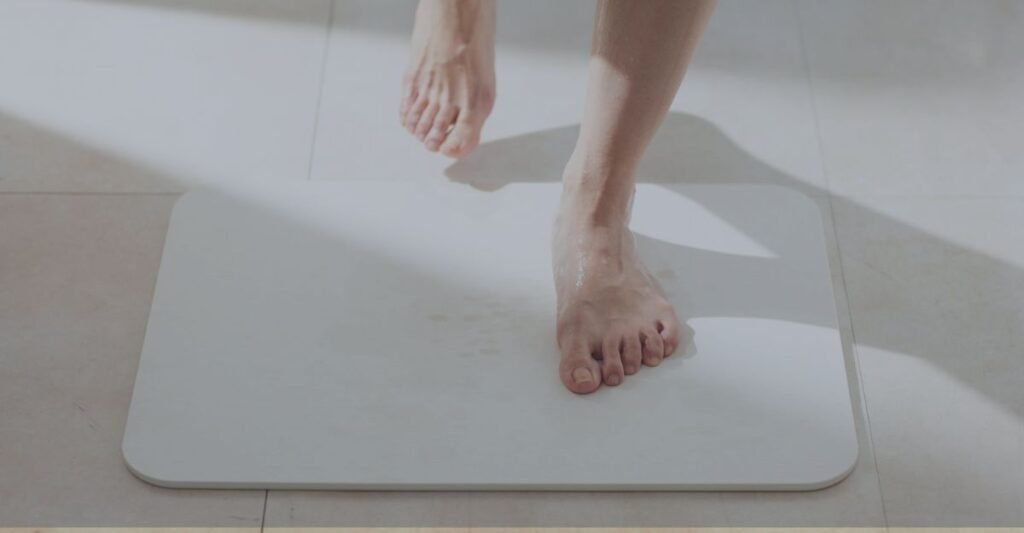
Wet floors in and outside of the tub pose a slip risk. Water splashes and drips combined with wet feet when exiting the tub pose real dangers. A non-slip bath mat goes a long way towards reducing that risk.
Placing the non-slip mat outside of the tub or shower and keeping it in place is usually the best solution, otherwise one invariably forgets to place it there before bathing. Improvements have been made in recent years, with the newer quick dry or memory foam mats.
A rubberized non-slip bath or shower mat inside the tub or shower is essential to prevent slips and falls. Ideally the mat covers the entire area inside the tub or shower. When my mother came to live with me we ended up putting a bathroom in on the first floor and we opted for a shower stall and I found a shower mat that covered the entire floor of the shower stall, and it had a hole in the center for the drain. An alternative, that I actually use for myself (now that my mother is in a memory care center) are non-slip decals.
Add a Shower Chair or Transfer Bench
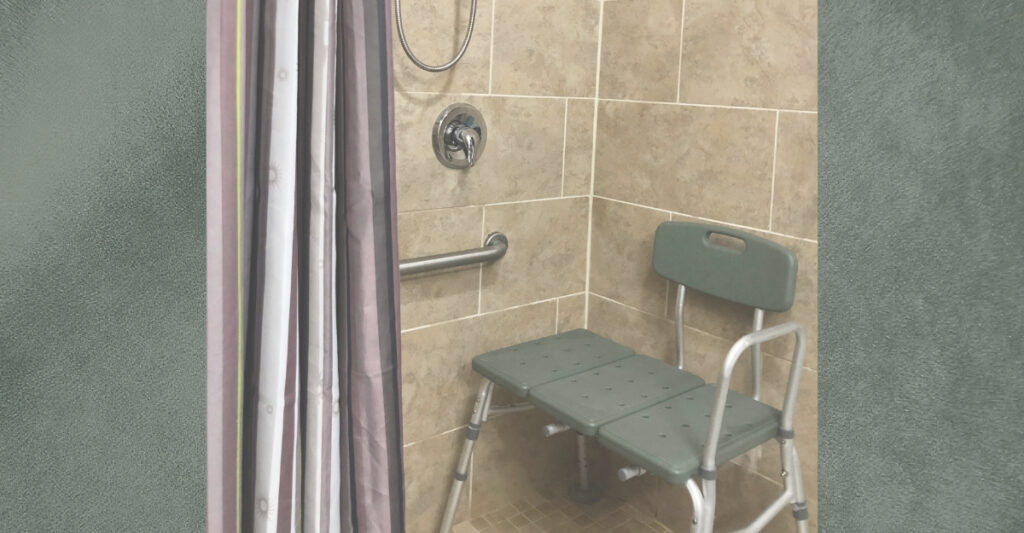
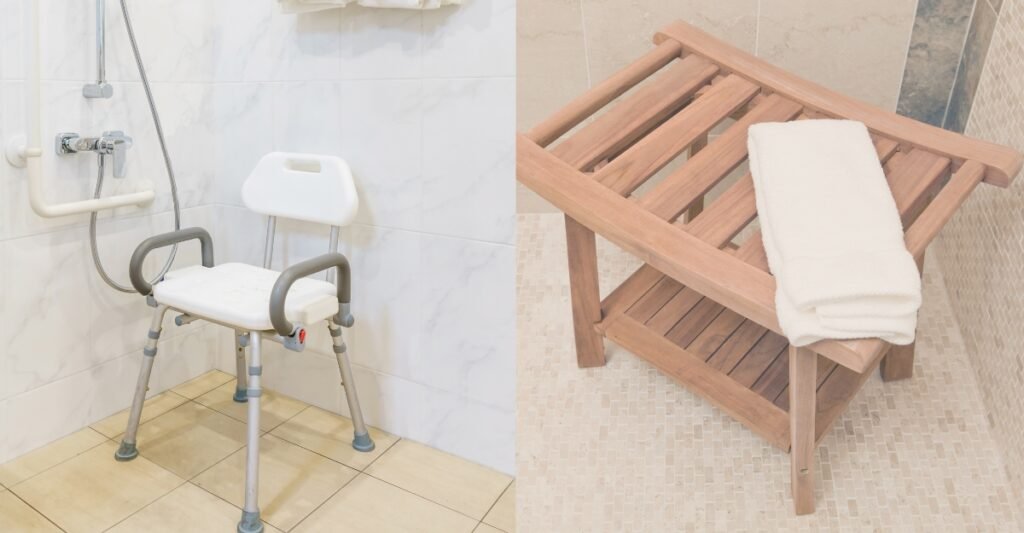
When mobility is limited or aches and pains make getting into or standing in the tub a hazard, a shower chair or transfer bench is a great solution. We reached that point with my mother, she’d fatigue easily when showering and the shower chair made the experience much more enjoyable.
We started with a shower chair and a few years later graduated to a transfer bench when she was becoming much less steady on her feet. The transfer bench extends outside of the tub so you can sit on the bench outside of the tub and slide into the tub lifting one leg at a time. They are a bit bulky so if you have a narrow bathroom like I do, I would store it in a spare bedroom and then move it to the tub when it was bath time. They are fairly lightweight. If you have room though, leaving them in place is a better solution.
Another more aesthetically pleasing option that can be used if mobility isn’t an issue is what I have for myself now, a teak shower bench. It’s more for those times when I want to just sit in the shower and relax and steam!
Improve Bathroom Lighting
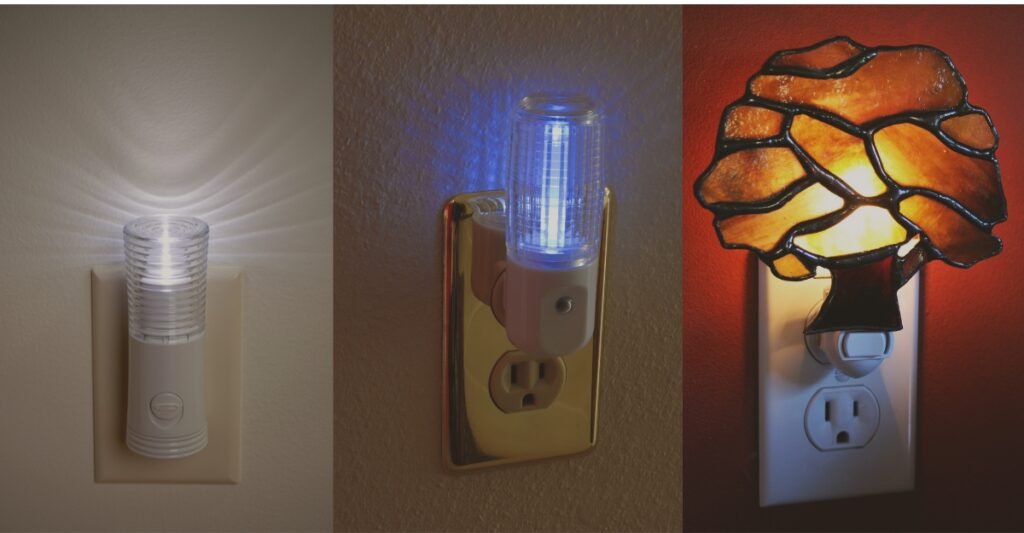
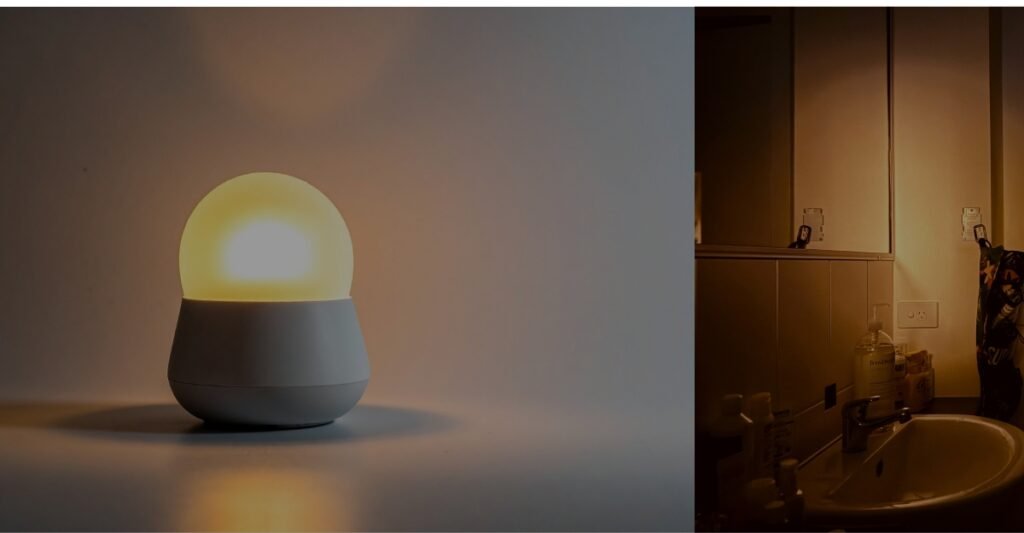
Bleary eyed trips to the bathroom in the middle of the night when it’s dark can lead to stubbed toes, or worse falls. Install night lights on the path to the bathroom and in the bathroom.
Options include nightlights plugged into outlets with a on/off switch. I prefer motion sensor lights–no need to remember to turn them on or off. Well lit areas go a long way towards preventing trips and falls.
Install a Raised Toilet Seat
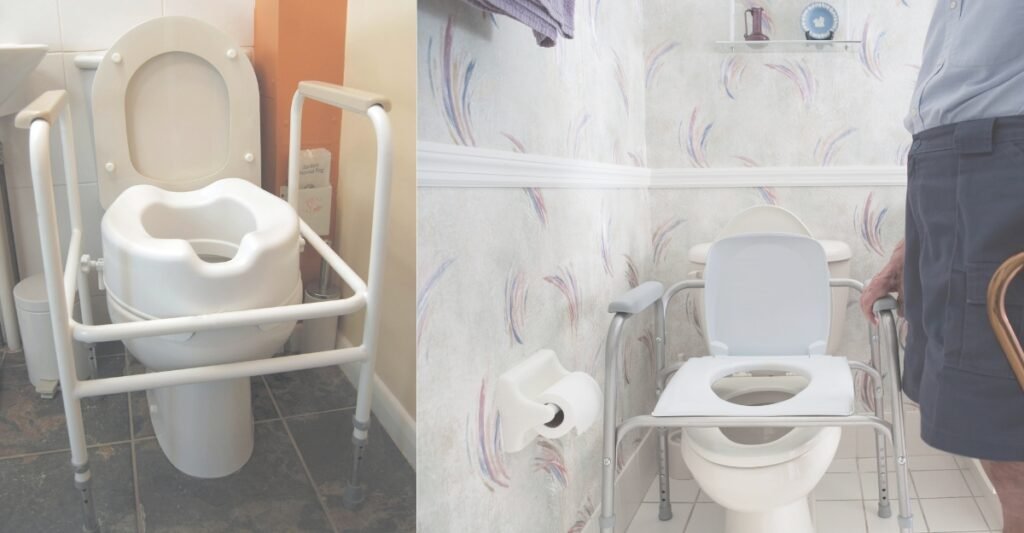
Raising the height of the toilet seat makes it easier for you or your aging in place loved one to sit and stand. My mother gradually lost strength and this was one of the first things I did to keep her independent with bathroom trips. There are a few options:
- Replace the existing seat with an elevated toilet seat.
- Use a portable over the toilet seat unit with bars. This option is great for those with limited strength as there are grip bars attached and my mother was able to rise independently off the seat well into her illness using the attached bars.
- An elevated seat along with separate safety rails that fit over the toilet (this is different from rails that attach to the wall).
Use Handheld Shower Heads
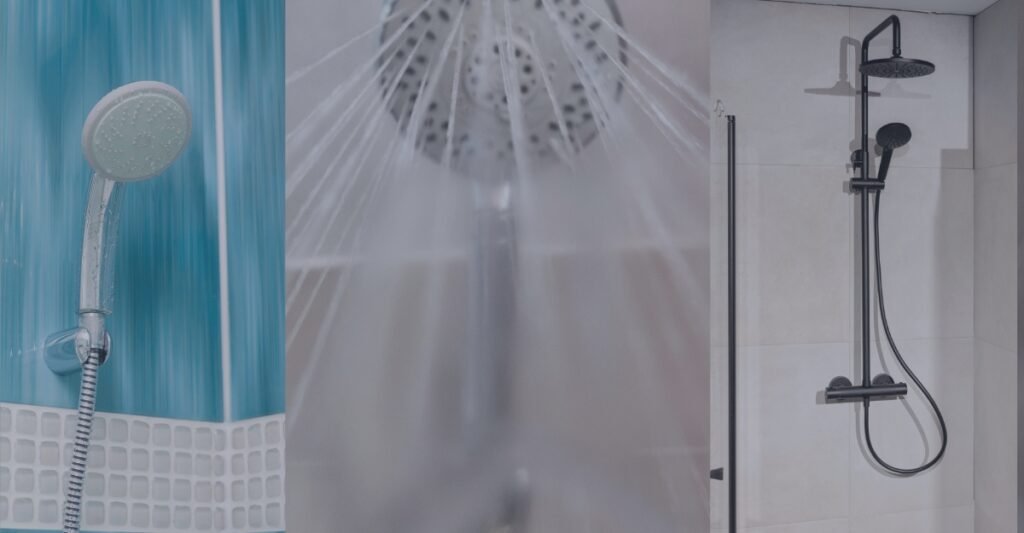
Handheld shower heads are a must, especially when used in conjunction with a shower seat or transfer bench. They are especially helpful for rinsing hair and hard to reach areas.
There are two types of handheld shower heads, one that is plumbed and mounted separately from the overhead shower head, or the type that is all in one with an overhead shower head. The second type is easy to use as you can unscrew your old shower head and replace it with the all in one unit.
I was lucky to already have the separate plumbed and mounted hand held shower head when my mother came to live with me. My sister lives in a rental and my niece, her daughter, has cerebral palsy and she has limited use of one hand so my sister simply unscrewed the existing shower head in her rental and replaced it with the all in one unit.
Remove Loose Rugs
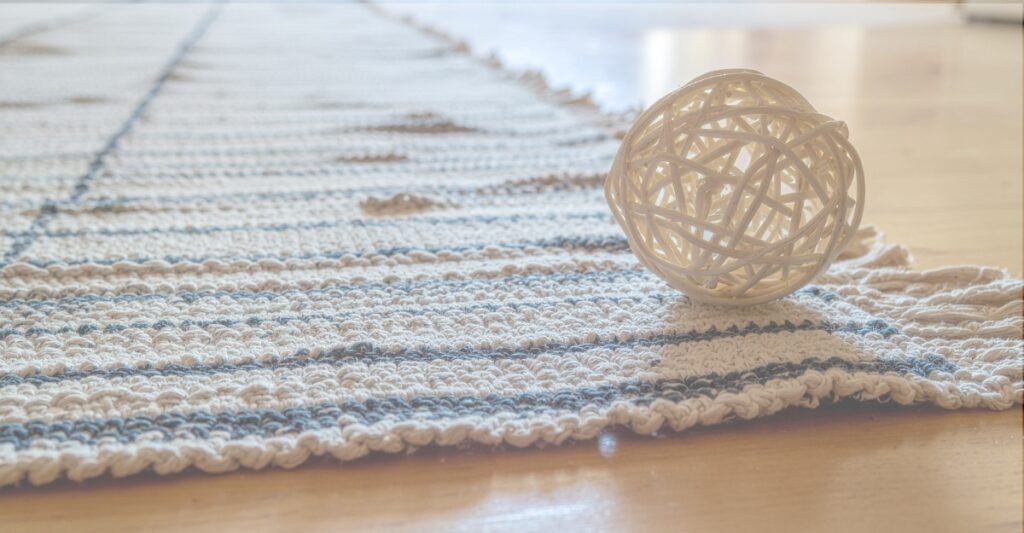
Loose, flimsy bath mats and throw rugs in the bathroom pose a trip and fall hazard. Slippers and shoes can easily get tangled in loose edges.
Remove throw rugs or use specialized double-sided tape or non-slip backings to secure them. Better yet choose a rug that is specifically designed for bathroom use, look for non-slip backings which prevent rugs from sliding on wet tile floors. Padded memory foam mats absorb water, and some have low profile tapered edges which pose less risk for shoes or slippers getting stuck. Pro tip: choose high contrast colors, such as brick red against white tile, this makes the mat more visible to seniors with limited vision.
Add Motion Sensor Night Lights
Dark bathrooms and hallways leading to them pose trip and fall hazards. When awaken during the night with a call from nature, we’re often bleary eyed and the tendency is to feel our way through a dark hallway, to a dark bathroom so as not to expose our eyes to bright lights, or wake others.
I’m guilty of this myself as last year I did that very thing and banged into an end table so hard on the way to the bathroom that I went flying onto the floor and banged my knee so hard I was convinced I broke my kneecap! I ended up with quite a bruise on my knee a few days later. Lesson learned. A low-light touch lamp, or motion sensor lights could have prevented this. I wasn’t sleeping in my usual bed, so I didn’t have a low-light touch lamp next to me like I usually do.
Add nightlights (motion sensor operated are best) and low-light bedside touch lamps. Hallways can also be lit with fairly inconspicuous motion sensor lights.
Install Anti-Scald Devices
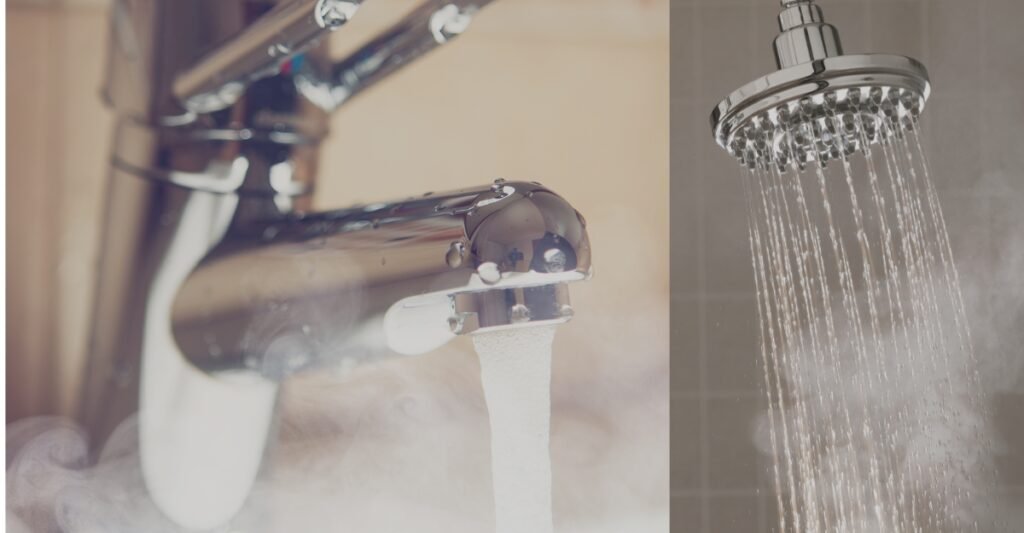
Seniors are among the highest-risk groups for serious tap water scalds. Hot water burns from faucets, showers, and tubs causing thousands of injuries annually in the United States.
The general consensus is that 120° water can cause a 3rd degree burn in about 5 minutes, and 2nd degree burns in 30 seconds to 2 minutes, and since aging skin is more sensitive the risk is real.
To prevent burns and scalding, set the water heater temperature to 120°. An added benefit–you’ll save on your energy bill! Also, news to me is that reducing the temperature also slows down the buildup of sediment and scale inside the tank, thus helping to extend it’s life.
Anti-scald devices such as an anti-scald faucet attachment can be screwed onto the end of a faucet or shower head. They monitor the water temperature and automatically shut the flow off or reduce it to a trickle if it exceeds a safe limit, such as 114°F or 117°F. This is something that would have been helpful for my mother before she came to live with me, she lived in a condominium and I’m sure the max hot water temperature was well beyond 120°, but since the condominium association set the temperature for all units, we didn’t think we could adjust the temp.
I’ve since learned that there is a plumbing device called a “Point-of-Use Thermostatic Mixing Valve” which is designed specifically for this scenario—it provides personal control over the temperature at the tap even if the building doesn’t.
Keep Essentials Within Reach
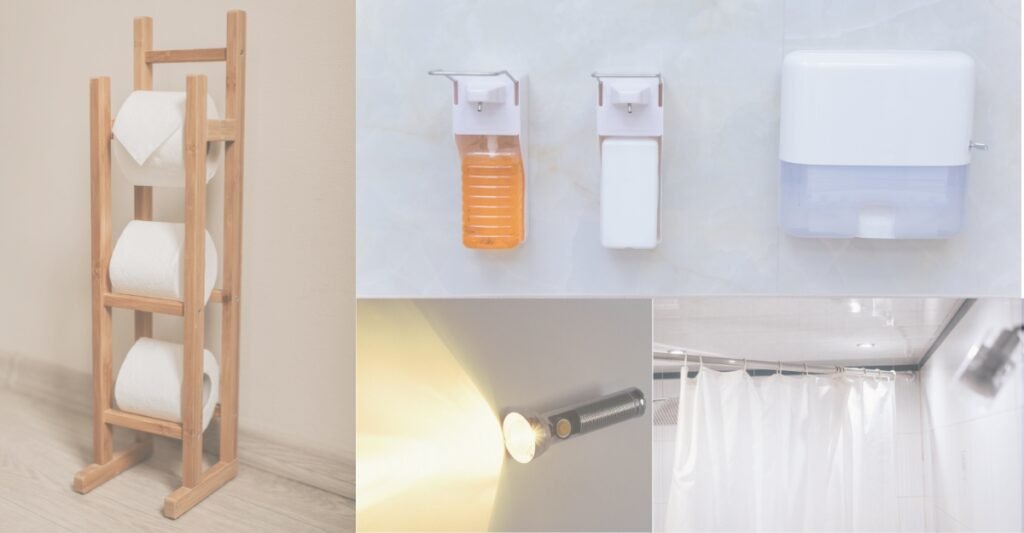
Keeping bathroom essentials within reach and planning ahead is especially important for those who have mobility issues. Running out of shampoo or soap while in the shower poses a risk in trailing water across the floor while going to retrieve the missing item. Here are some recommended essentials:
- Phone nearby.
- List of emergency contact numbers.
- Mini flashlight nearby in case of sudden power outages.
- Shower mounted soap/shampoo/conditioner dispenser. These adhere to the shower wall and can be refilled with your own soap. This provides an added benefit of eliminating loose bottles that pose a tripping hazard or dropping them on feet (been there done that). These are also great for seniors who suffer from arthritis, or memory loss issues (soap level is easier to see so you don’t forget and run out).
- Toilet paper tower to hold extra rolls (store near the back of the toilet or out of the way so it doesn’t pose a tripping hazard).
- Weighted shower curtain–keeps water inside the shower to prevent slippery floor surfaces.
- Small wastebasket.
Conclusion
Creating a safer bathroom doesn’t require major renovations. Simple adjustments and the right products can significantly reduce the risk of falls and injuries.
Starting with just a few of these changes can help seniors maintain independence while giving caregivers greater peace of mind. Start implementing changes before you think you or your loved one needs them instead of having to do it in a mad rush.