10 Simple Home Safety Changes That Help Seniors Age in Place
More seniors than ever are choosing to stay in their own homes as they age—a concept known as “Aging in Place.” Doing so helps them maintain independence and comfort. However, the challenge is that even small, unnoticed hazards around the house can increase the risk of injury. After caring for my own aging parent for several years, I saw firsthand how just a few simple changes can help seniors live safely, confidently, and comfortably in their own space.
When my mother was living on her own, there were home safety upgrades that my sister and I overlooked. It wasn’t that we were careless, we didn’t live with her on a daily basis and some of challenges she faced weren’t obvious. When she came to live with me full time that’s when I noticed she wasn’t as safe as I thought she was in her own home.
I started implementing safety changes that would keep her safe in my home. Here are some practical improvements that I made–they made a big difference in keeping her safe at home.
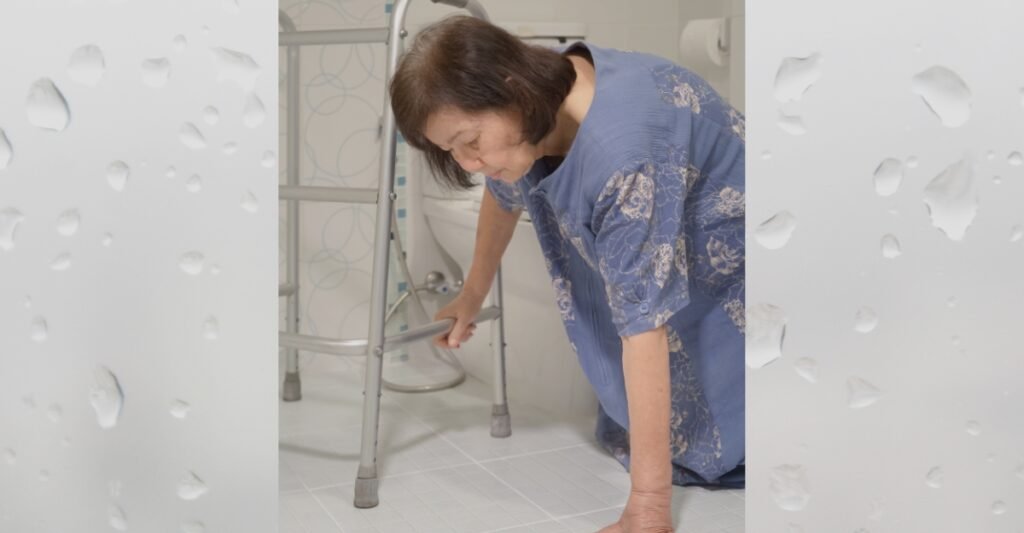
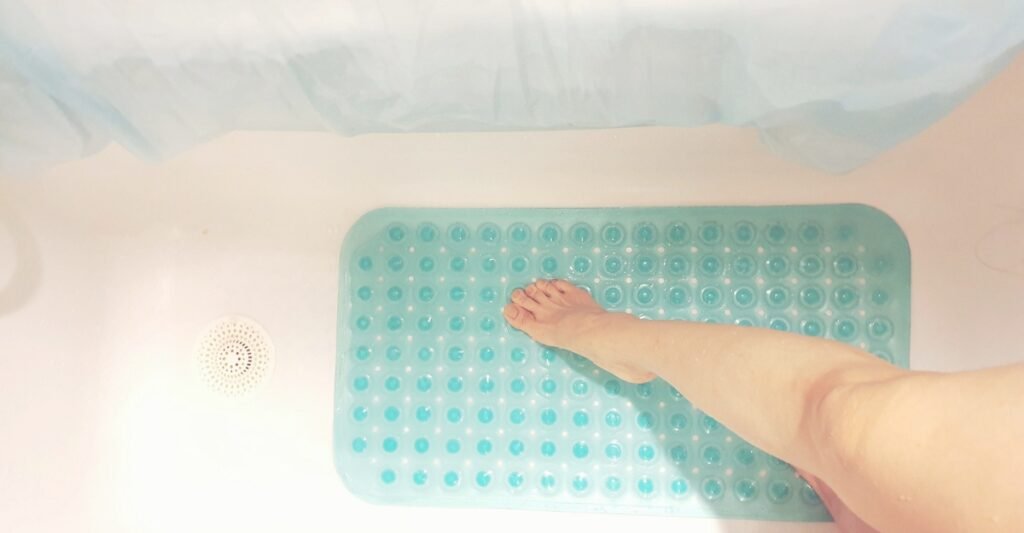
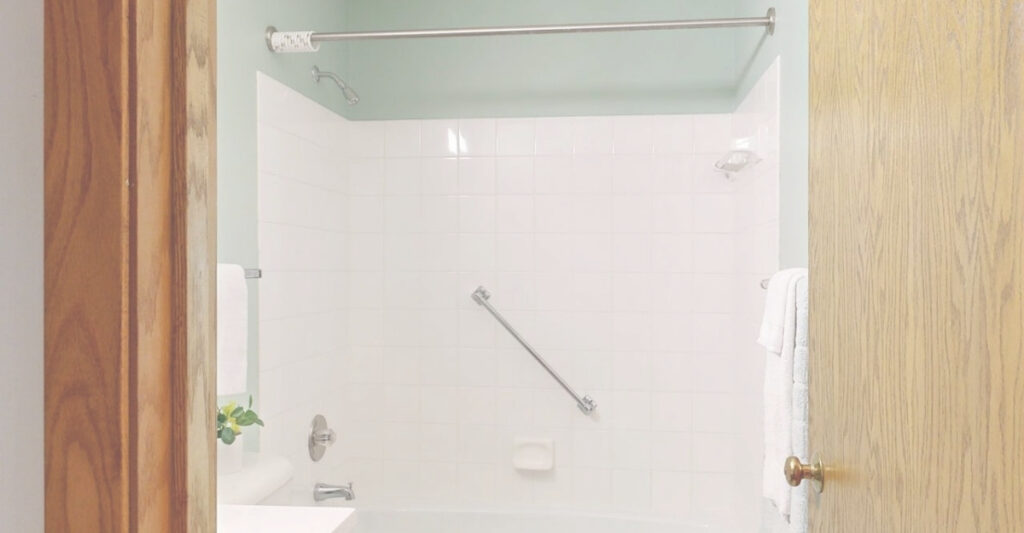
- Bathtub Safety Bathrooms are one of the most common places where falls occur, and that’s the first place I started with safety improvements for my mother. Wet floors and limited support can make standing or moving dangerous for older adults. A high-quality non-slip bath mat can greatly reduce the chance of slipping. I noticed an instant improvement in my mother’s surefootedness when we started using the bath mat. Look for mats with strong suction cups and textured surfaces designed for wet areas, and always ensure it is pressed firmly onto a clean, dry tub before each use.
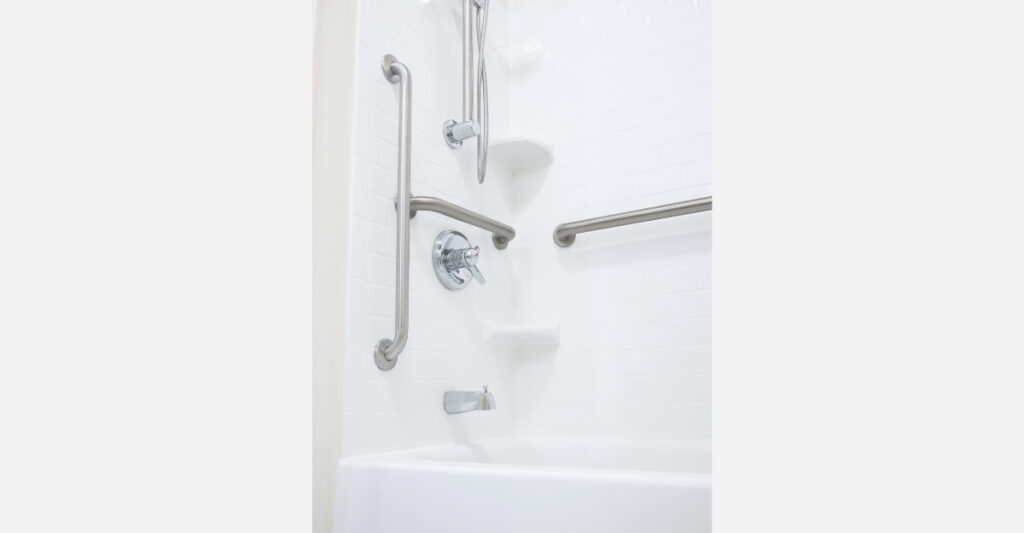
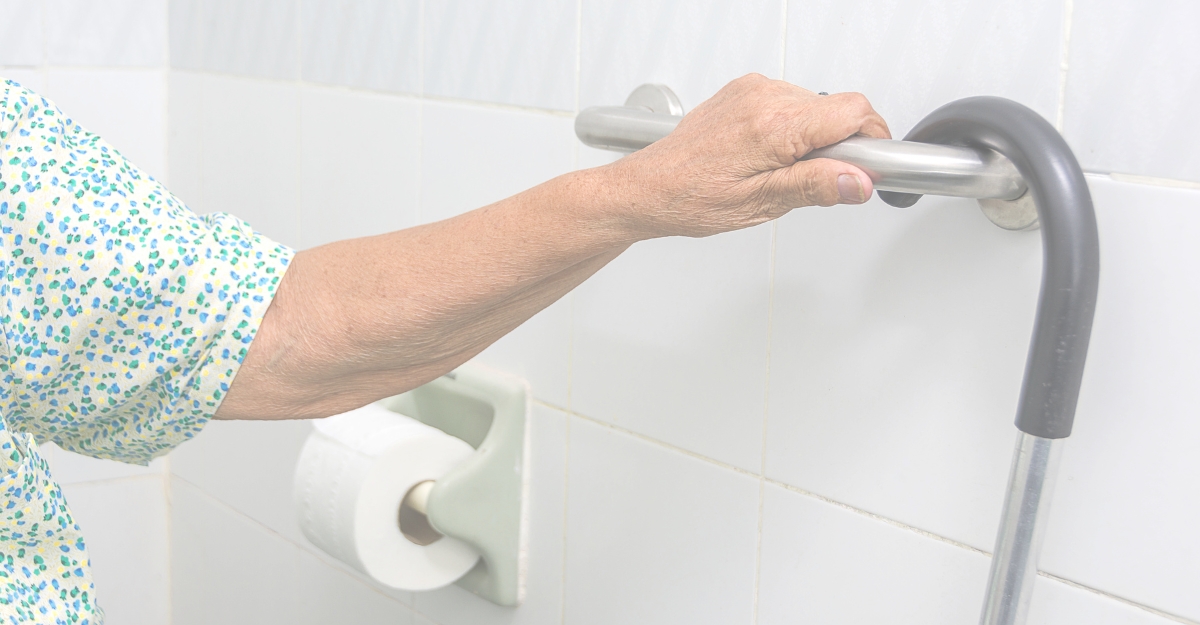
- Bathroom Stability Installing grab bars in the shower and beside the toilet are a top safety tip. Nowadays there are many aesthetic options if you’re concerned about your bathroom looking like a hospital bathroom. The first grab bar that I started with was one that clamped to the tub, and it was a great safety boost that helped her keep her balance when stepping into the tub.
- Eliminate Trip Hazards Remove throw rugs or use specialized double-sided tape or non-slip backings to prevent trips. I have hardwood floors and when my mother eventually came to live with me I did end up getting a large area rug, with a nonslip pad underneath. The rug was low profile, so the edges didn’t hinder her walker, and the few times she took a tumble or two (when she ditched her walker when I wasn’t looking!), it cushioned her fall. So it’s a double edged sword, smaller rugs–tripping hazard, larger rugs–secured properly can help cushion falls.
- Lighting Improvements Add nightlights and bedside lamps. Bedside lamps that operate by touch eliminate the need to struggle to find the switch. I have a sleek touch lamp on my nightstand and it’s so simple to turn on for those bleary eyed night trips to the bathroom. Hallways can also be lit with fairly inconspicuous motion sensor lights.
- Clear Pathways Remove clutter, cords and furniture from walkways. This helps with walking safely to prevent tripping on or knocking into things, but it’s also a preemptive step for when and if a walker or rollator becomes necessary. Think “wide open spaces”, the more streamlined your home is, the safer it will be. We’ll explore this topic in depth in future blog articles, it’s one that I have always struggled with, but I’ve definitely made progress.
- Shore Up Your Stairways Install handrails on both sides. My sister ended up doing this when my mother stayed with her temporarily, and also for my niece’s safety. My sister’s daughter has cerebral palsy and has limited use of one hand, so rails on both sides made it possible for her to use the rail on the way up and down. I noticed when my mother first came to live with me, she was turning at awkward angles to grab the stair railing (I only had a railing on one side). Rails on both side means the senior doesn’t have to twist to grab the railing. Another safety boost–add motion sensor stairwell lighting, as many stairwells are dimly lit.
- Lower Water Heater Temperature To prevent burns and scalding, set the water heater temperature to 120°. There is really no good reason to have it hotter than this, most modern laundry detergents work well even in cold water, so 120° is plenty hot for that purpose. Added benefit–you’ll save on your energy bill! Another benefit that was news to me is that reducing the temperature also slows down the buildup of sediment and scale inside the tank, thus helping to extend it’s life.
- Improve Storage Store frequently used kitchen and bathroom items on lower shelves, this avoids having to use a step stool or ladder to access items. Standing on tiptoes to grab something out of reach is often a recipe for disaster, almost guaranteeing that the item will come tumbling down on the senior.
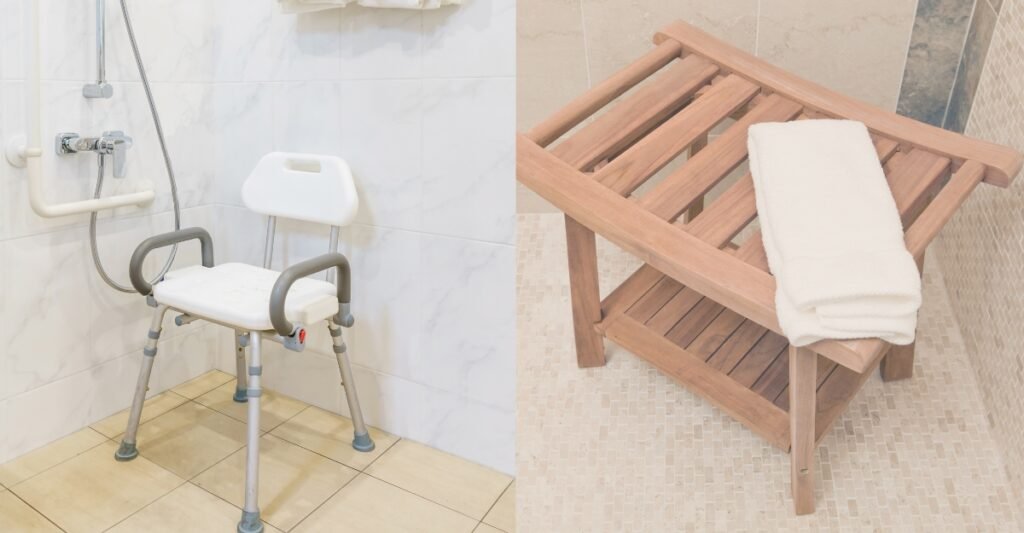
- Bathroom Safety Additions Add a shower chair or transfer bench to your tub or shower stall. Additionally, adding a handheld shower head makes bathing so much easier for seniors. It is almost a necessity when trying to shower while seated. Add a raised toilet seat, options include a seat that is integrated into your toilet, or a seat with legs and handles that suspends over the toilet.
- Install Safety Detectors — Install them if you don’t already have them, and if you do, make sure you replace the batteries on a regular schedule, such as twice a year. Always have a stock of batteries on hand to avoid a lapse in protection. Check with your city’s local building department for guidelines, when my mother came to live with me and we added a bathroom on the main level, I was surprised to hear the inspection requirements–a smoke detector in every bedroom, and also in the hallway outside the bedrooms, and one on every other level. I ended up installing 7 smoke detectors in my modest 3 bedroom home! The inspection also required a carbon monoxide detector on every level of the home, including the basement.
I’ll hone in on these topics in future blog articles, and I’ll provide recommendations for items that worked for me when I was trying to make my mother’s condominium safe for her when she was diagnosed with early stage Alzheimer’s disease. Eventually she came to live with me, and I continued to put safety mechanisms in place as new challenges presented themselves.